authorized crew only
sequence XB-900
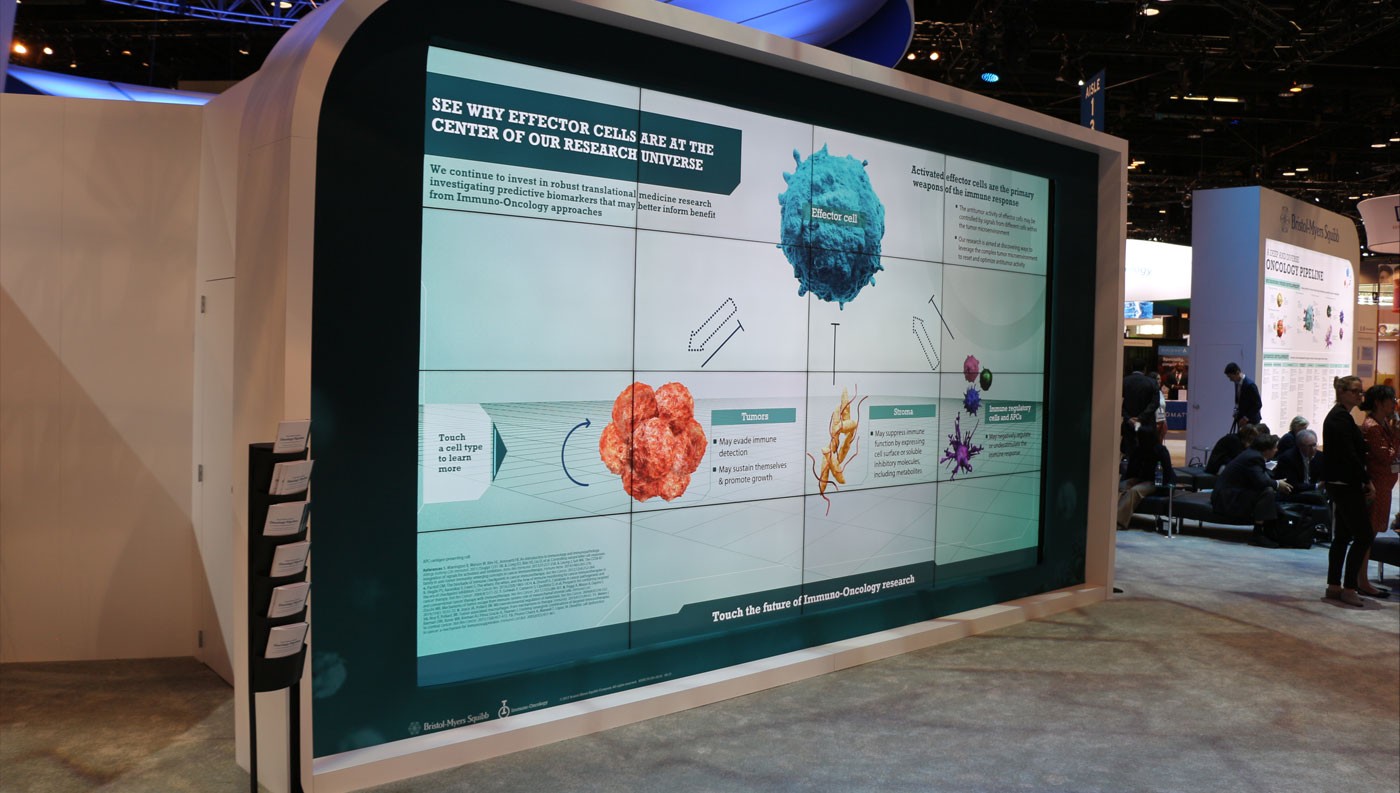
Fig16x9 ft interactive booth display for immune-oncology storytelling.
Bristol Myers Squibb needed a standout booth to highlight immunotherapy advances. The experience had to balance scientific storytelling, engagement, and usability across nine kiosk applications in a crowded conference environment.
I led user research, UX, and UI across all kiosk applications. I created ergonomic layouts, user flows, prototypes, and usability guidelines, and conducted testing for accessibility and interaction clarity.
Collaborated with a PM/BA, dev lead, content strategist, and medical/legal writers. Tools included Axure RP, Photoshop, and Illustrator.
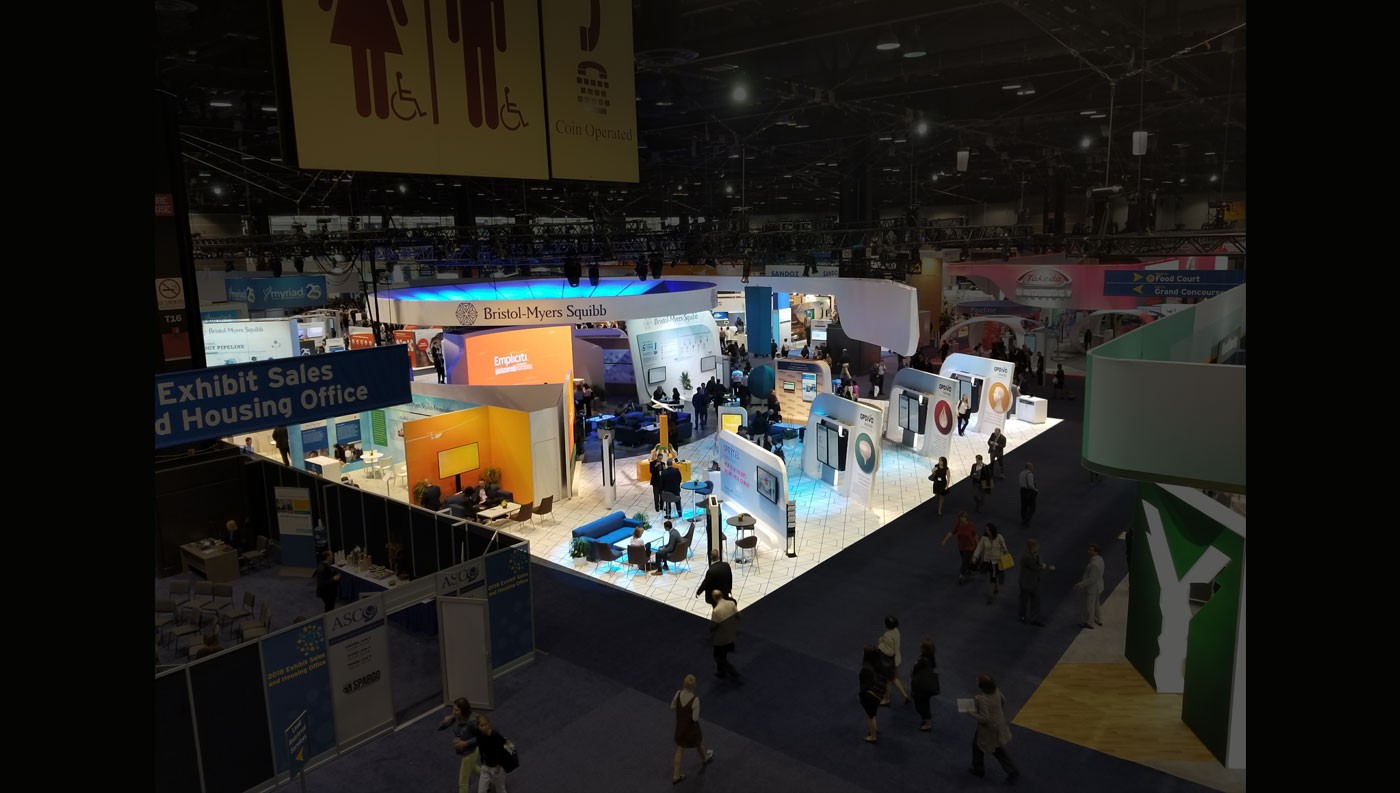
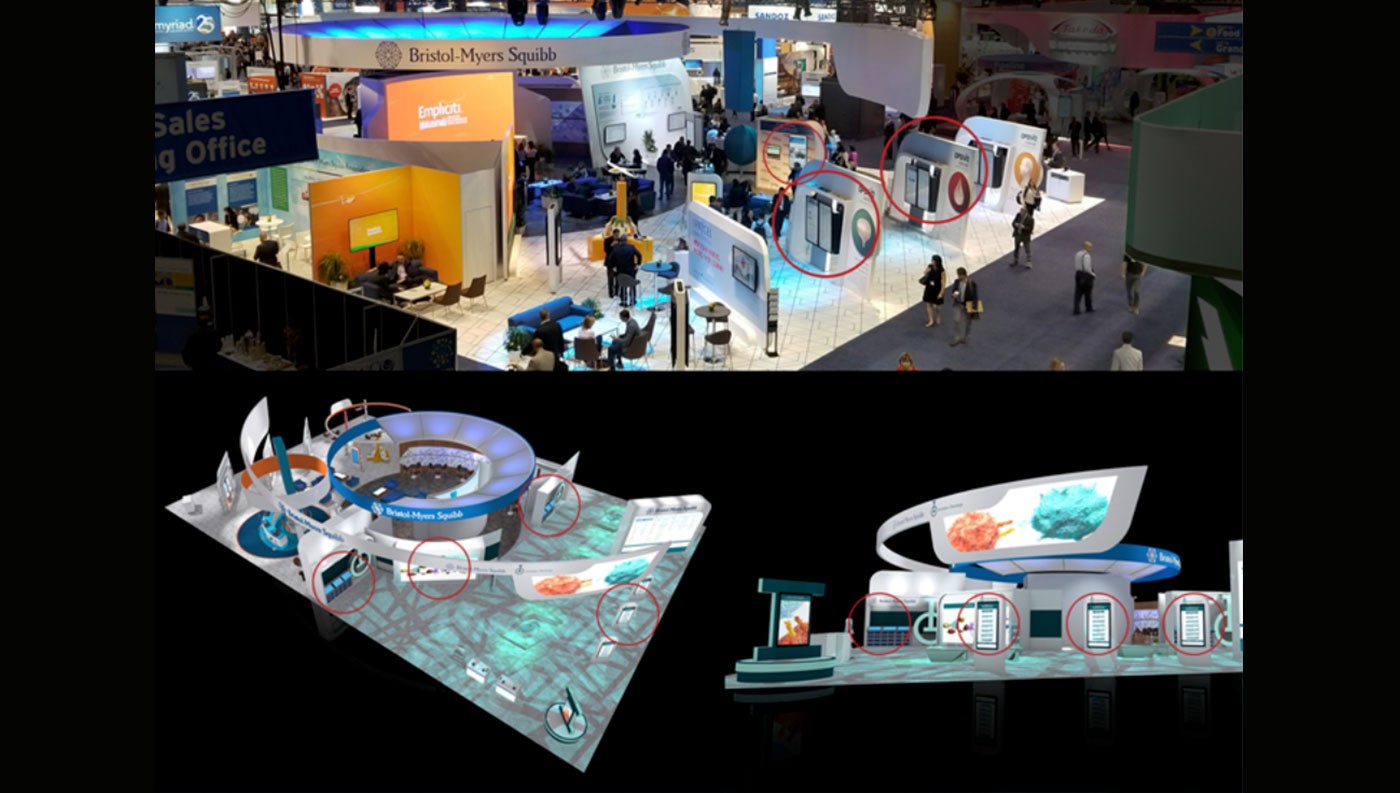
FigThe BMS ASCO booth — conference setting and architectural overview.
Conference displays must engage users with varying attention levels in a fast-moving environment. Without behavioral insight, the experience risked being ignored or inaccessible.
I defined visitor profiles: Passive, Receptive, and Engaged. Design focused on Engaged users while remaining accessible to others. Ergonomics, reach, and flow informed layout and interaction.
Design grounded in behavior improved engagement, making content easier to discover and interact with.
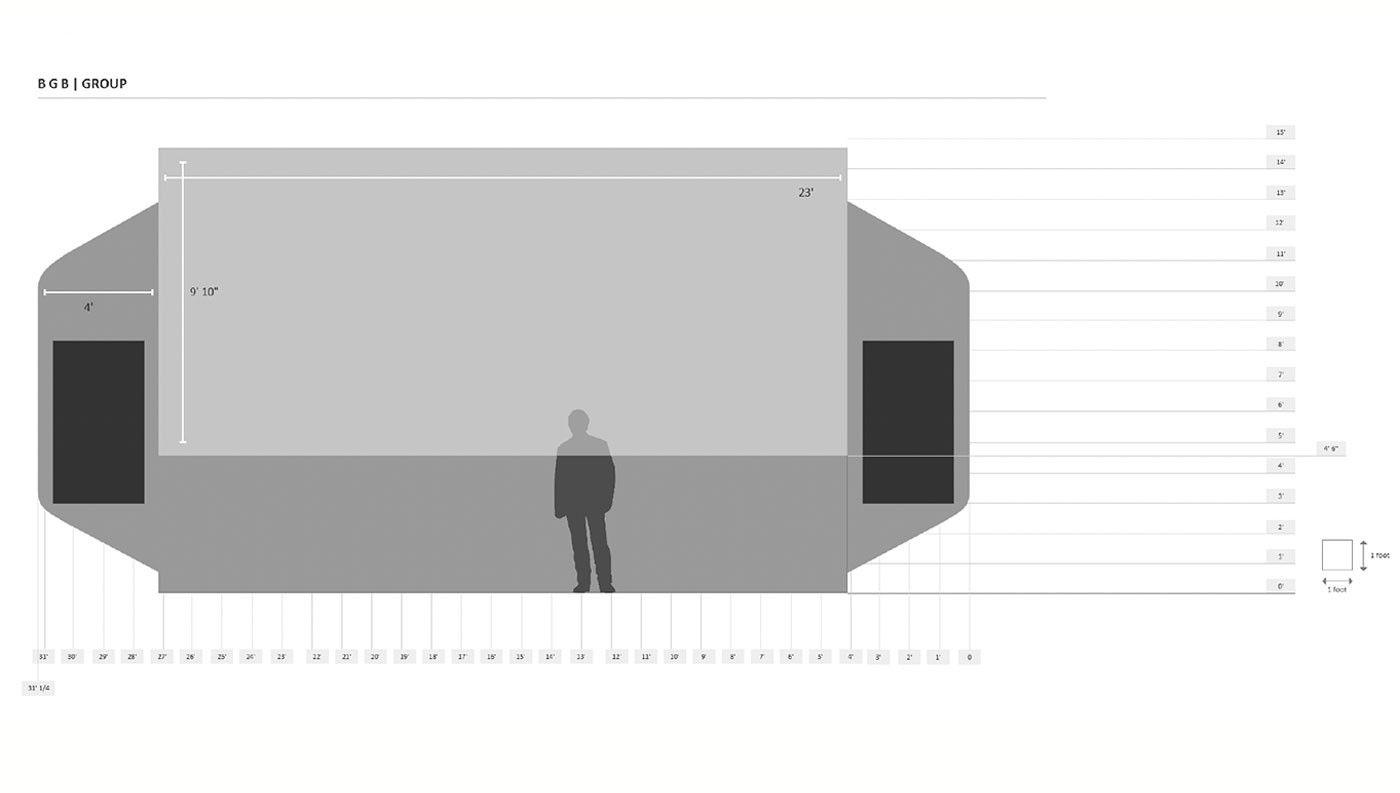
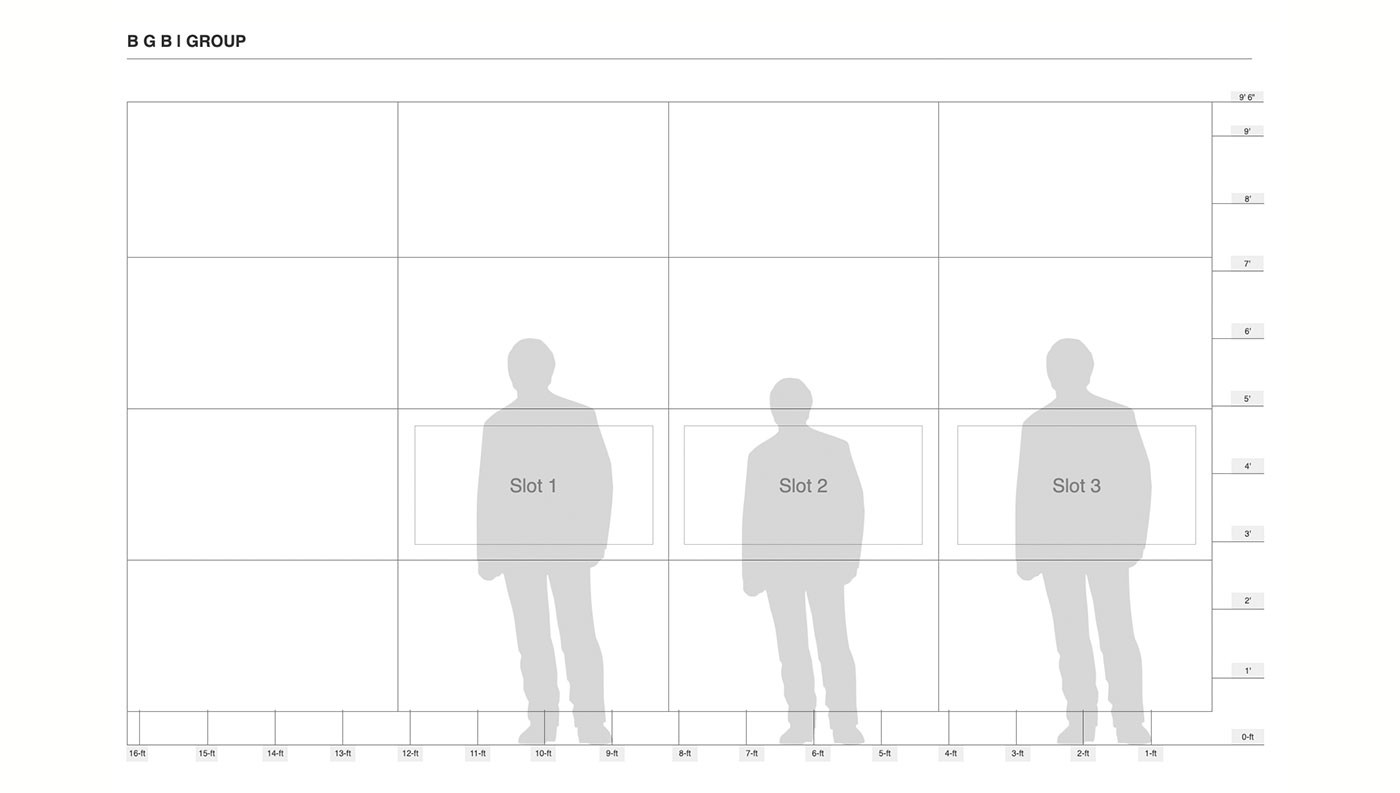
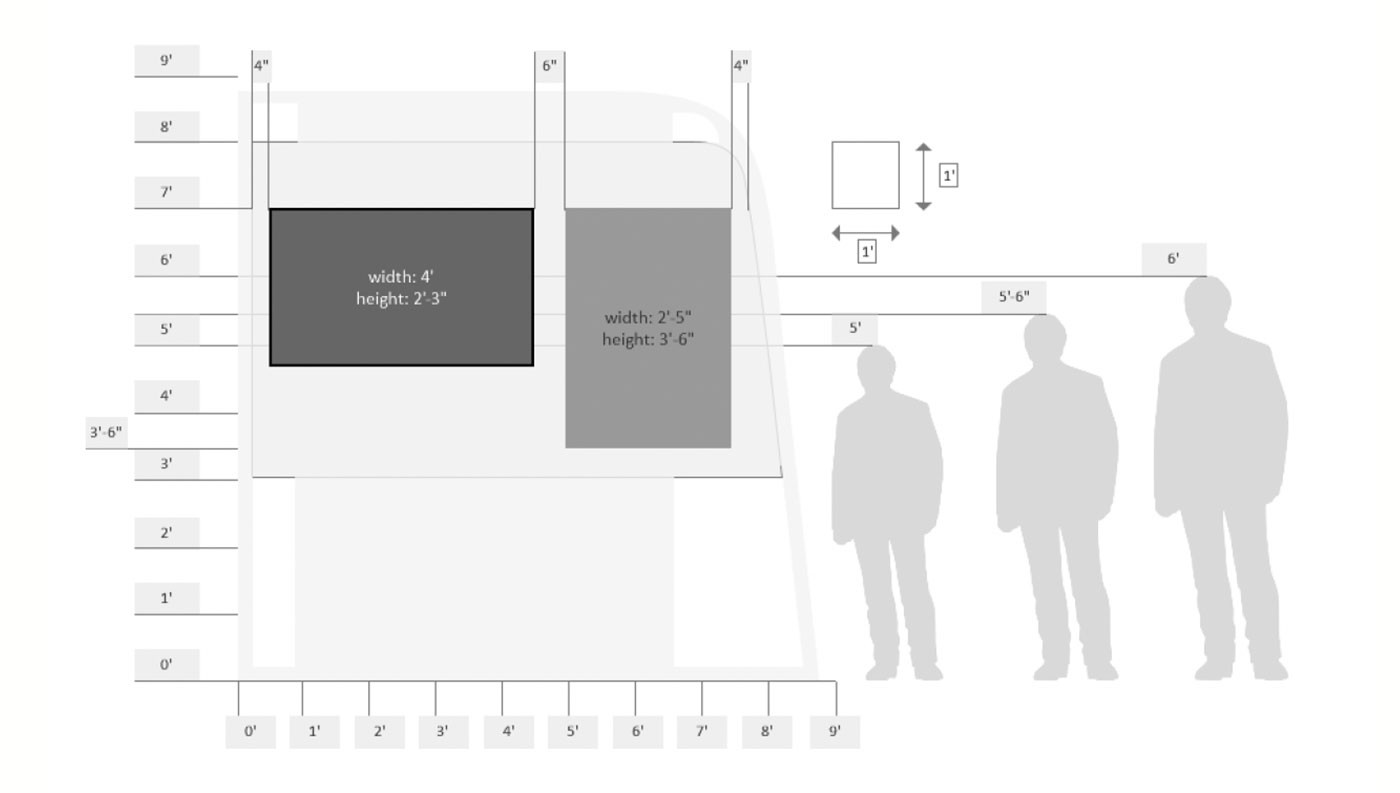
FigSpatial research — scale diagrams establishing display dimensions and station proportions relative to the human body.
Scientific content had to be translated into large-scale interactive displays. Poor ergonomics or hierarchy would reduce engagement.
I mapped ergonomic zones using reach studies and anthropometric data. This guided layout, hierarchy, and navigation flow across all displays.
Users could interact comfortably, with key content positioned within natural sightlines and reach zones.
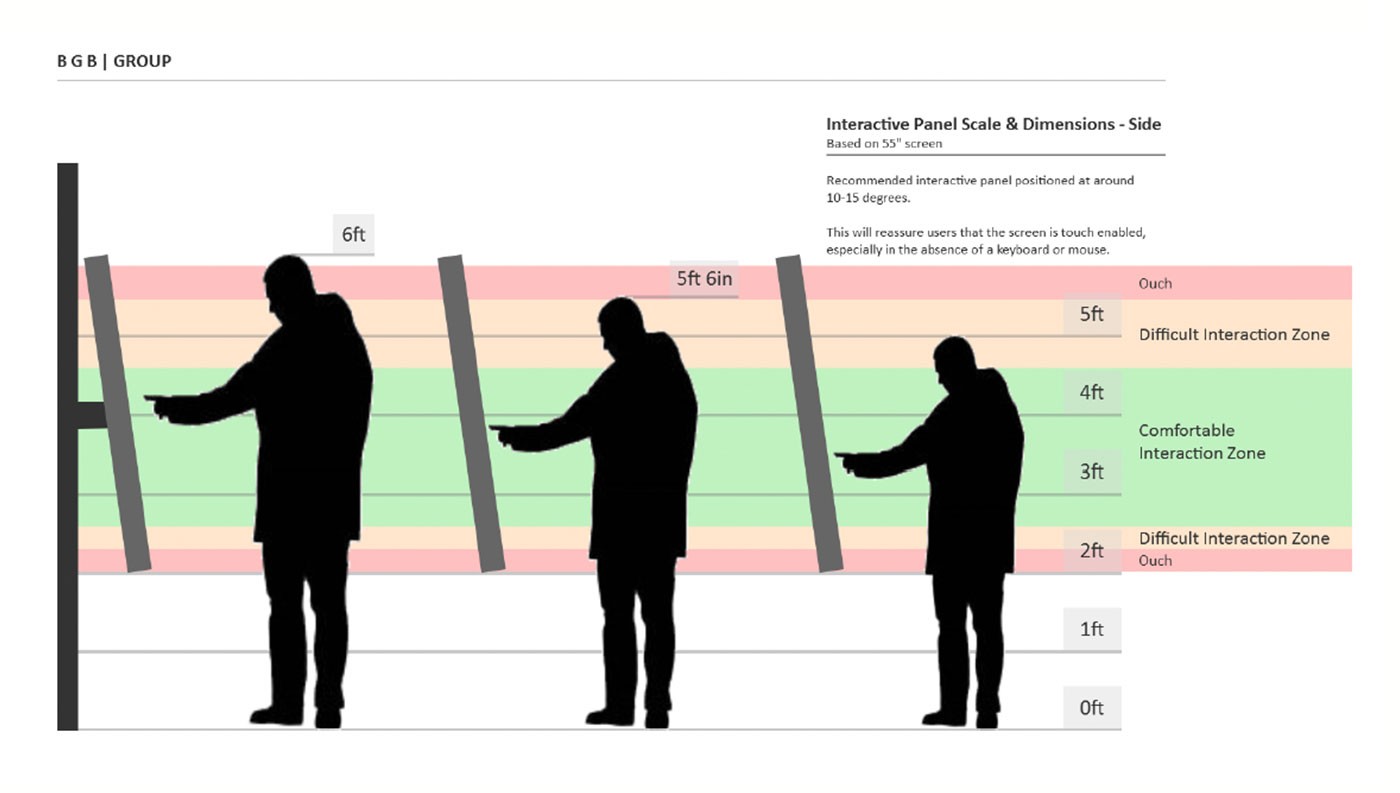
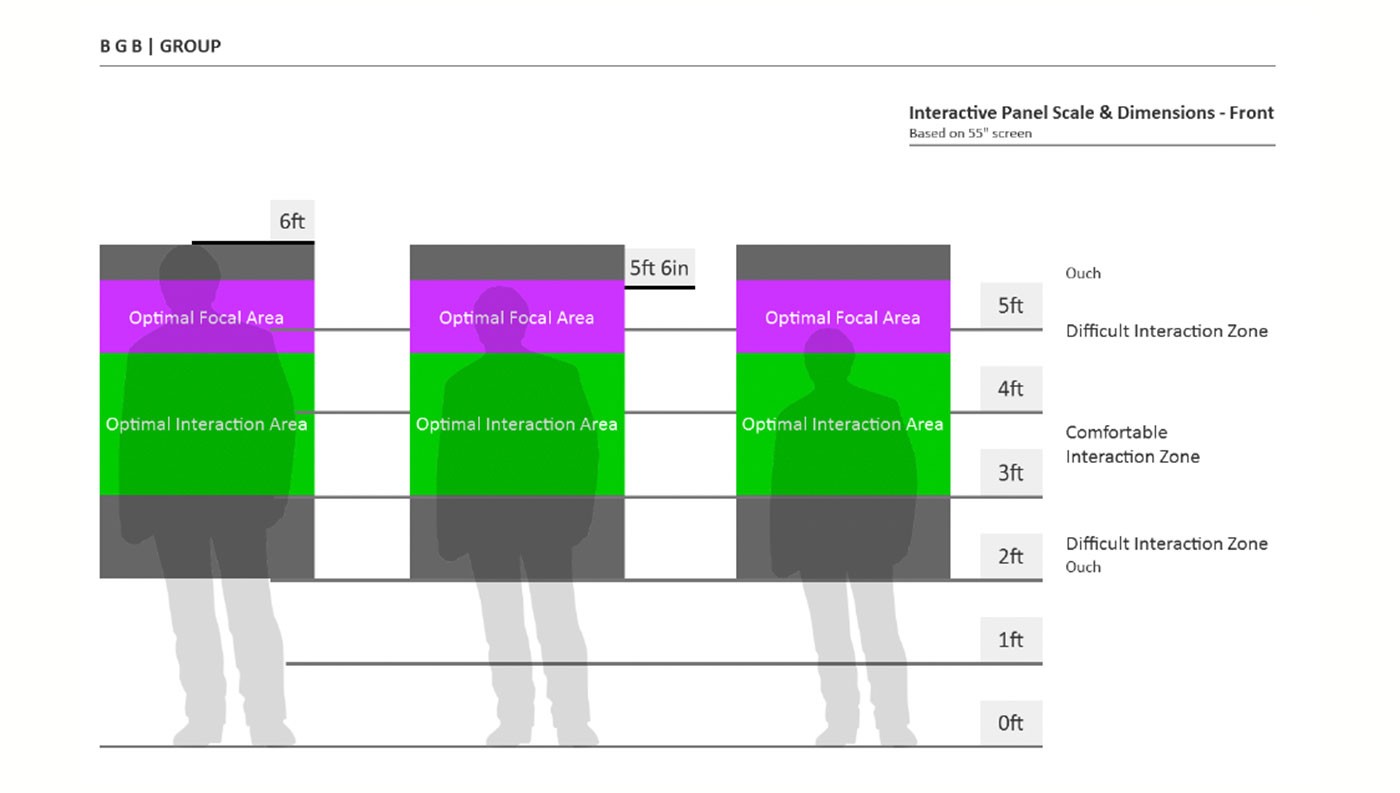
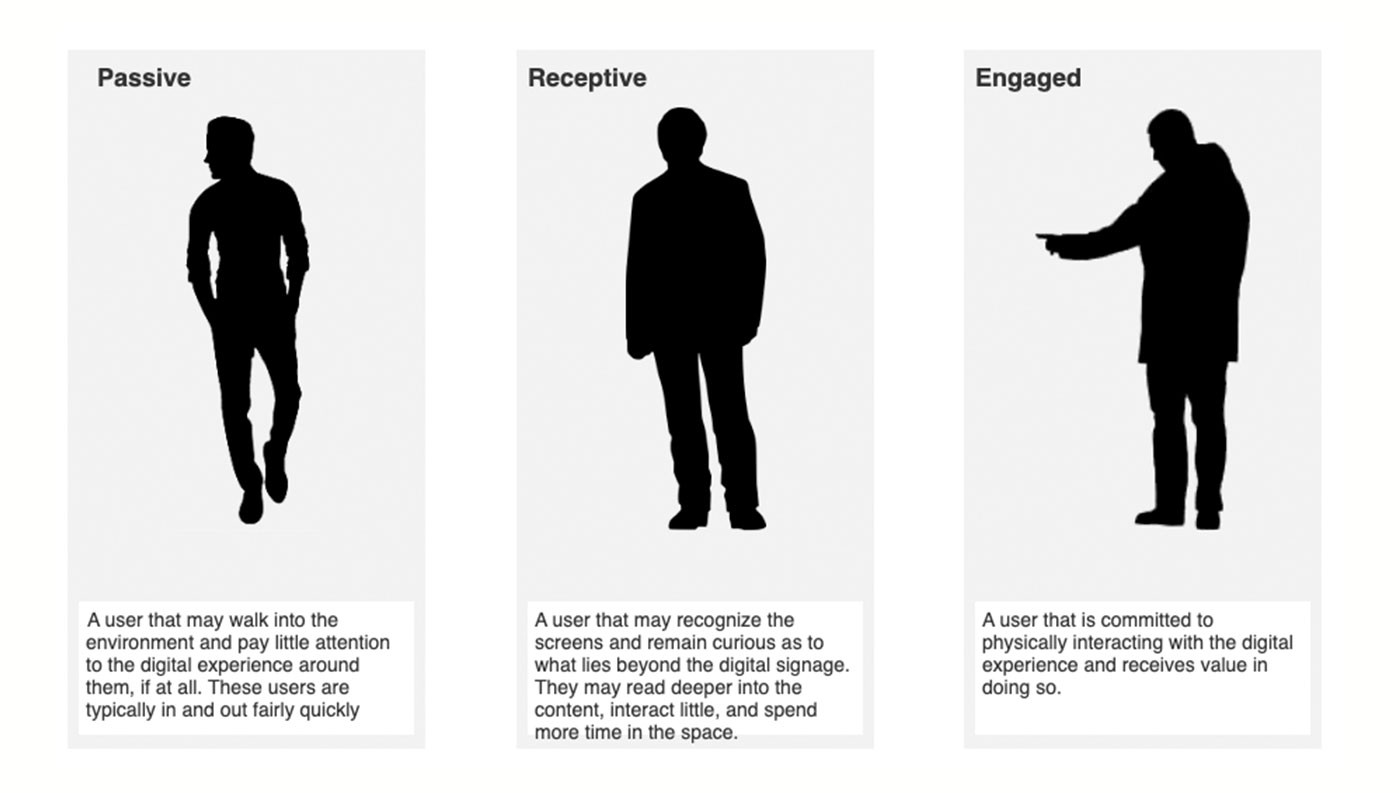
FigInteraction research — reach zones and visitor behavior archetypes grounding UI placement and content depth decisions.
Large-scale booth design required coordination of physical layout, navigation, and interaction before final visuals.
I mapped full user journeys, defined screen relationships, and created annotated wireframes. Internal touchscreen testing validated usability before development.
The final experience delivered intuitive navigation and strong engagement. Early validation reduced development risk and improved usability.
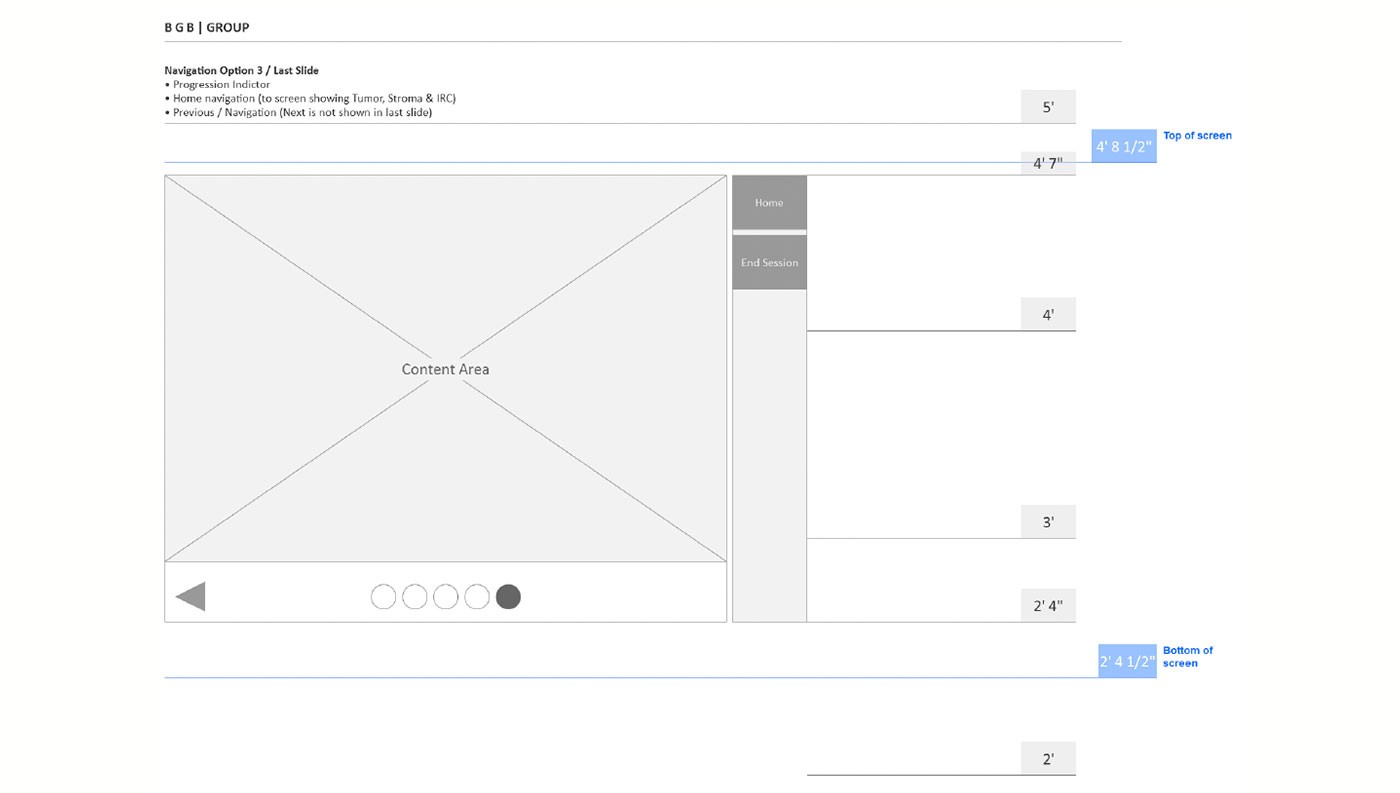
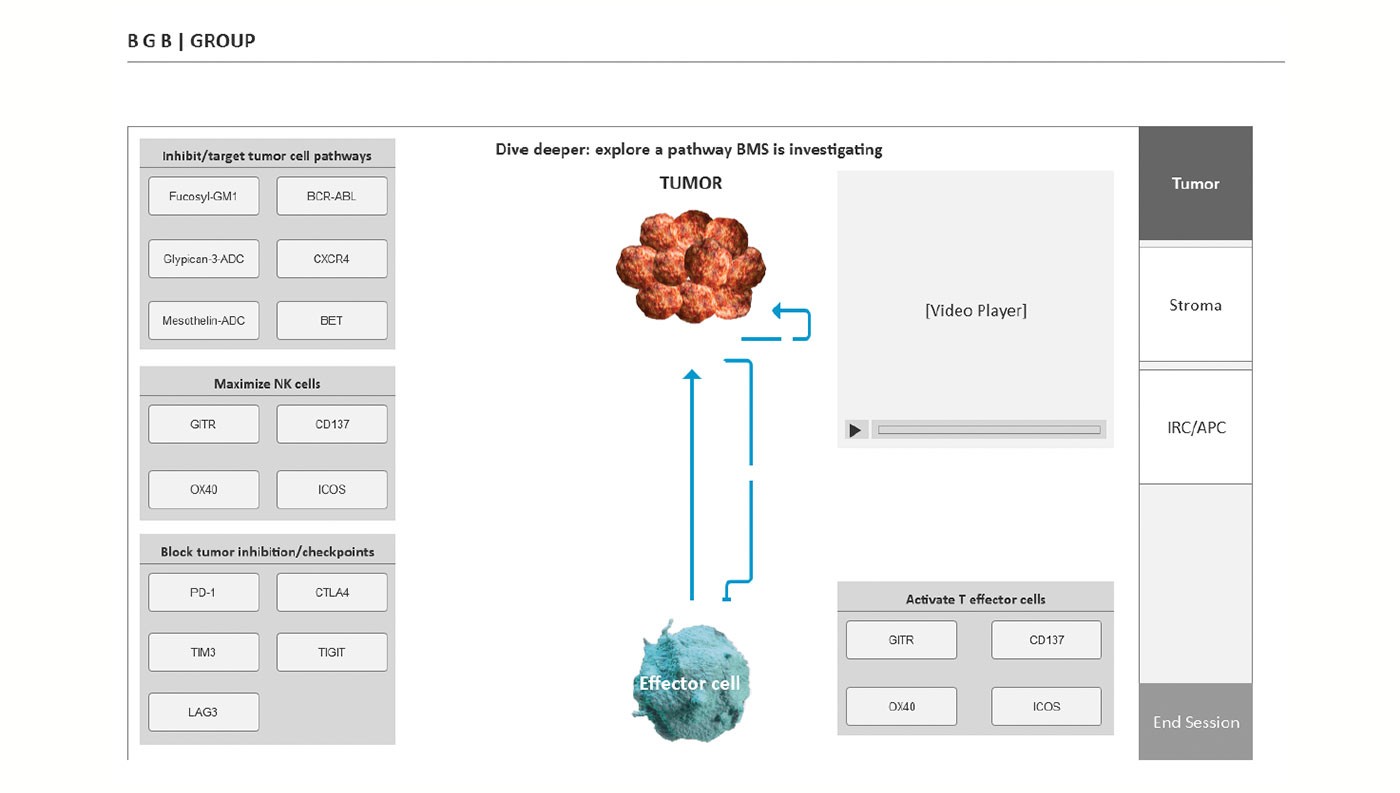
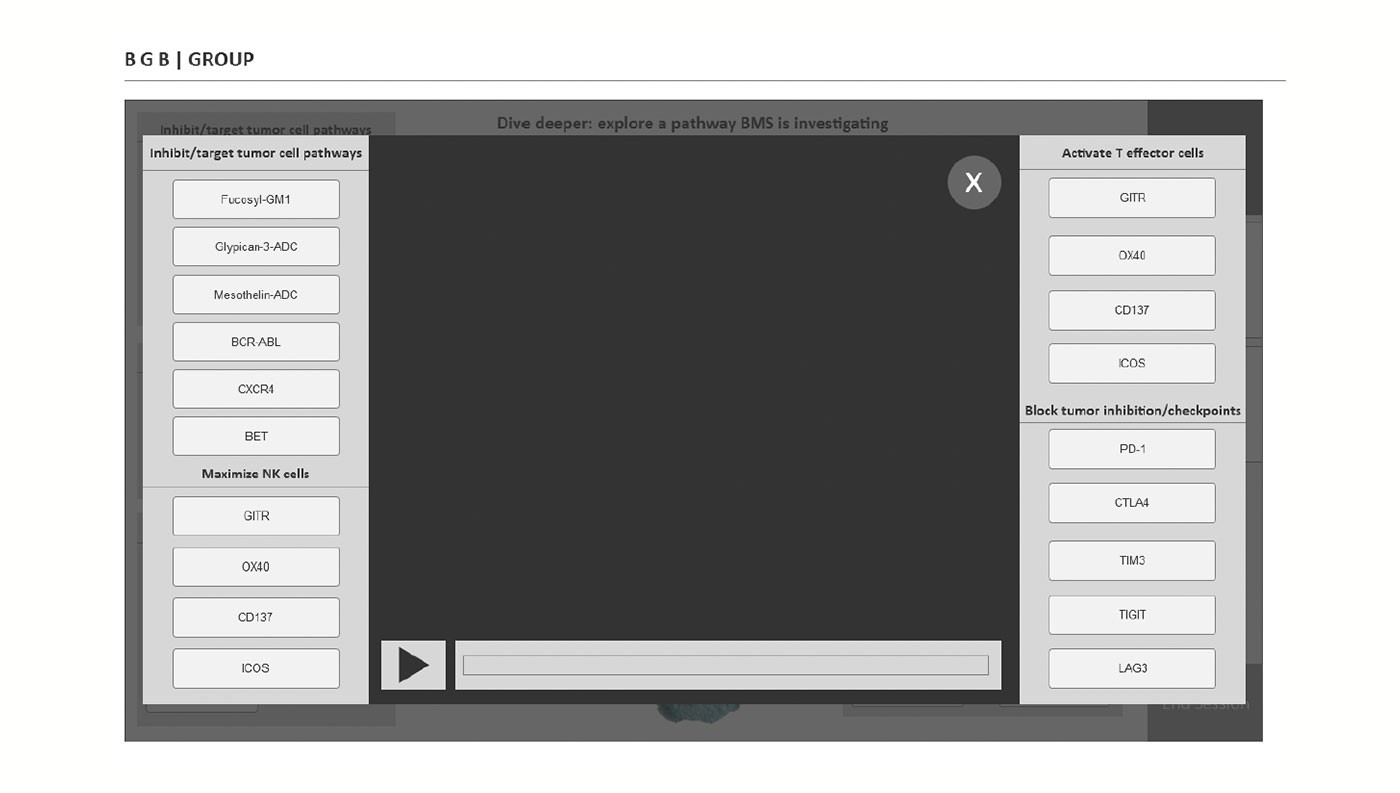
FigAnnotated wireframes for navigation layout, interactive content screen, and video modal state.
FigDemo videos — attractor loop and full touch panel interaction sequence.
One of the core goals was ensuring that visitors — many of them busy oncologists and researchers moving quickly through a crowded conference floor — would stop, recognize the displays as interactive, and engage long enough for the science to land. The attractor loop on the large wall display was central to that: a continuously running animation designed to draw attention and signal that something was happening worth exploring.
At the show, that intent played out visibly. Visitors approached the wall and reached out to interact without prompting. Groups gathered at the individual kiosk stations simultaneously, navigating the pathway content independently. The "Touch a cell type to learn more" prompt was readable and acted upon. The experience held up at scale — both physically and informationally.
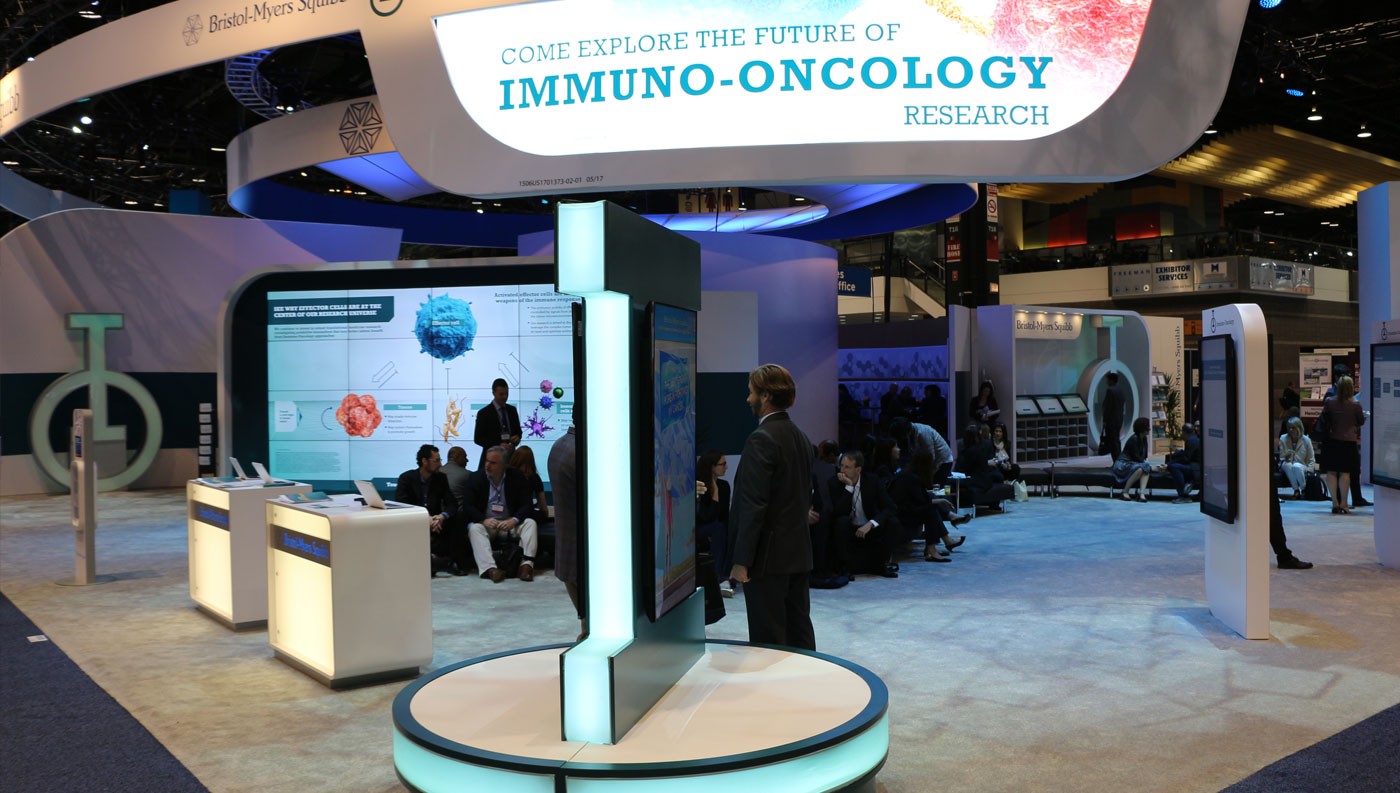
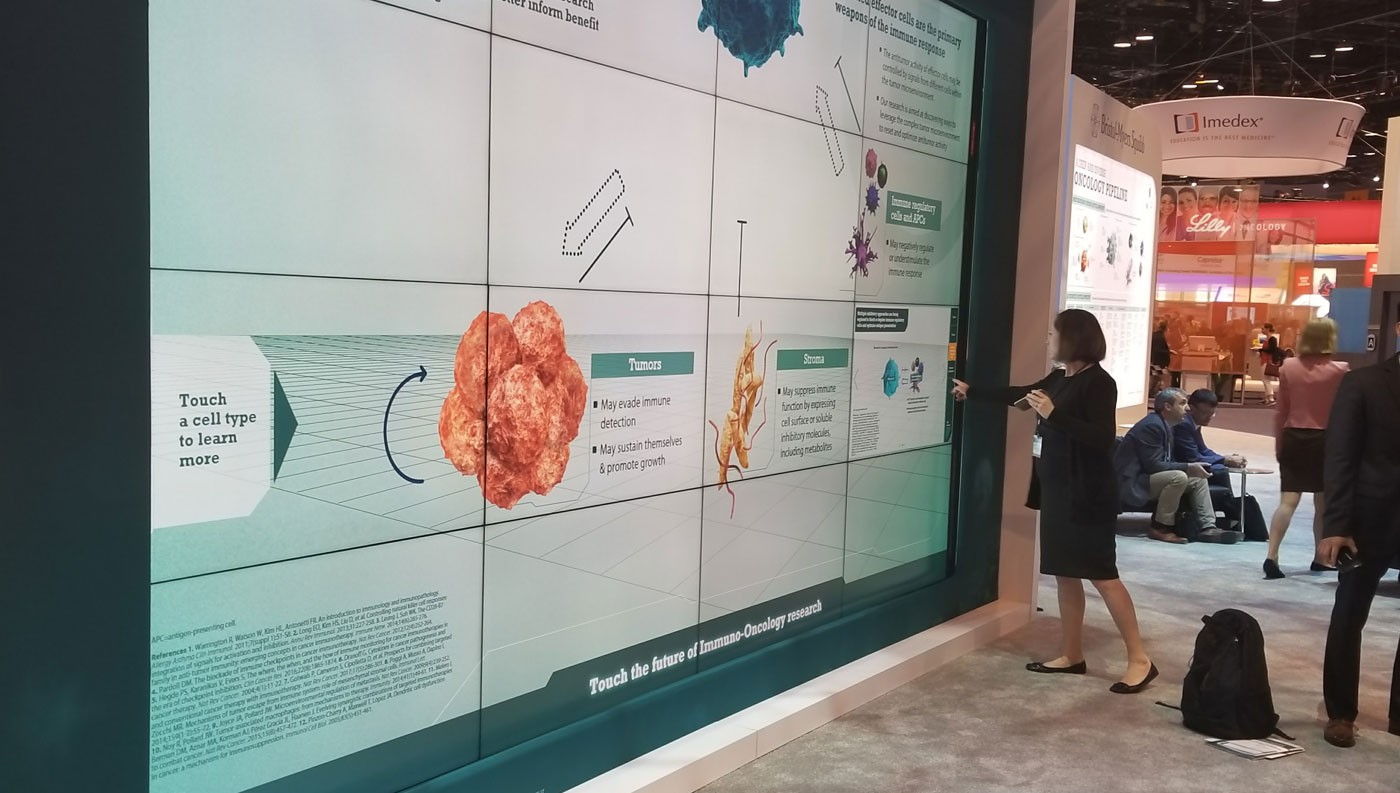
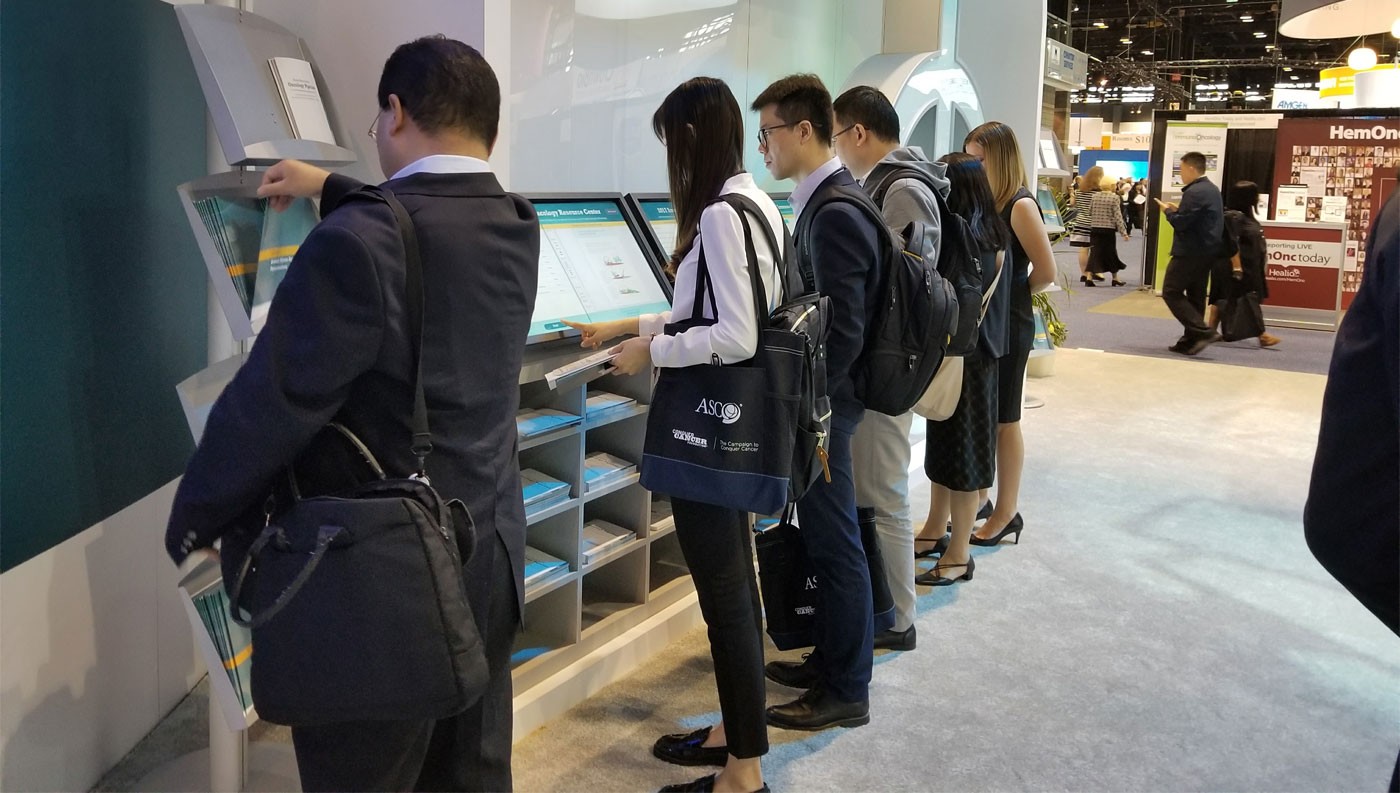
FigThe booth at ASCO 2017 — full environment, wall display interaction, and simultaneous kiosk engagement.
Preproduction and spatial planning were critical. Designing across varied screen sizes required adapting interaction patterns beyond standard digital interfaces.
Designing for the 16x9 ft multi-user display required rethinking interaction, reach, and hierarchy. Managing this alongside tight timelines strengthened my ability to design within physical constraints.